

 Re-mark
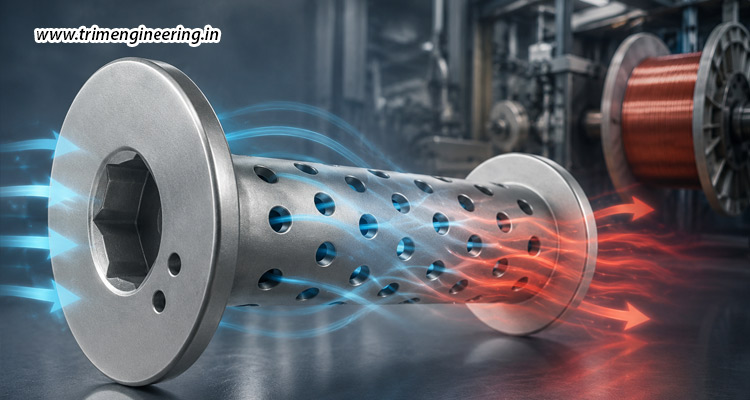
In modern industrial winding systems, efficiency comprises not just speed and precision, but also the management of heat produced during continuous operation. Metal bobbins utilized in wire, cable, textile, and filament winding systems frequently function under high rotational speeds and persistent mechanical loads. In these conditions, heat accumulation poses a significant challenge that can impact product quality, machine performance, and operational safety. Perforated metal bobbins have surfaced as a viable engineering solution to tackle this issue. By integrating strategically placed holes or openings within the bobbin structure, manufacturers can enhance airflow, minimize thermal buildup, and improve overall winding efficiency. This blog delves into how perforations facilitate heat dissipation, the importance of thermal control in industrial winding, and the influence of design considerations on performance.
You may like

Build MVP for Blockchain Prediction Market - Expert Guide

MediaTek IoT Solutions: Smart Devices, Edge AI & Connected Technology
Explore MediaTek IoT solutions powering smart…
The Nylon Filament Yarn Price Chart is an important tool for manufacturers, traders, suppliers, and buyers who work…