
 Re-mark
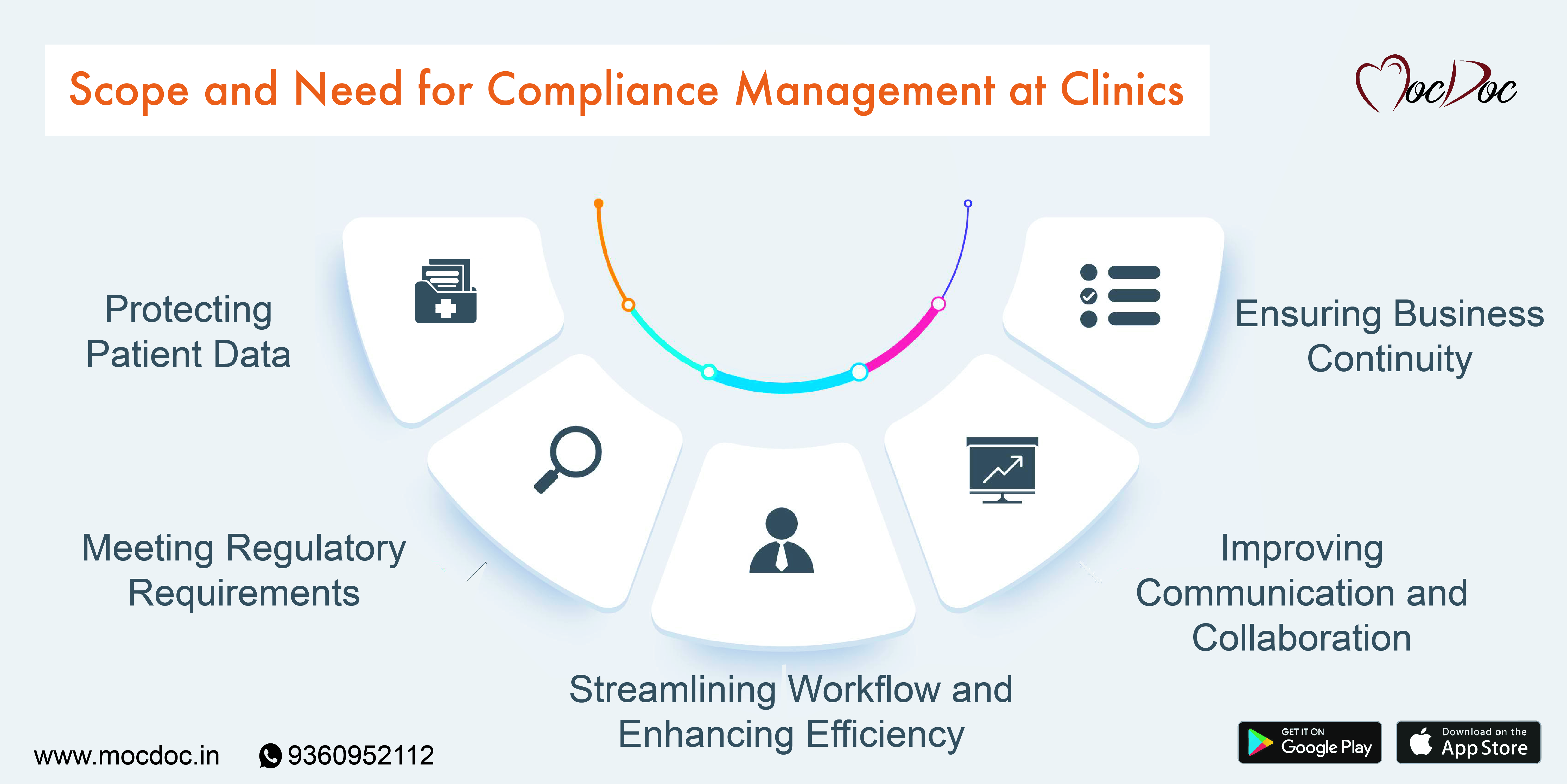
Introduction: In today's healthcare landscape, compliance management is of paramount importance for clinics. With the increasing complexities of regulatory requirements and the need to safeguard patient data, clinic management systems (CMS) play a crucial role in ensuring compliance. This article explores the significance of compliance management in CMS and its impact on healthcare organizations. Safeguarding Patient Data: One of the primary reasons compliance management is crucial in clinic management systems is the protection of patient data. CMS holds a vast amount of sensitive information, ranging from medical records to personal details. Compliance measures, such as encryption protocols, access controls, and data security standards, ensure that patient data remains protected from unauthorized access or breaches. By prioritizing compliance management in CMS, clinics can establish robust security measures, thereby safeguarding patient confidentiality and maintaining trust. Adhering to Regulatory Requirements: The healthcare industry is subject to numerous regulations and compliance standards, including HIPAA, GDPR, and local data protection laws. Compliance management in CMS helps clinics stay updated with the latest regulatory requirements. By adhering to these regulations, clinics reduce the risk of non-compliance penalties, legal liabilities, and reputational damage. Compliance management ensures that clinics are aware of their obligations and can implement necessary measures to meet regulatory standards. Streamlining Operations and Workflow Efficiency: Efficient operations and streamlined workflows are essential for clinics to deliver high-quality care. Compliance management in CMS enables clinics to automate administrative tasks such as appointment scheduling, patient record management, and billing processes. By integrating compliance measures within the system, CMS minimizes manual errors, eliminates redundancies, and enhances operational efficiency. This streamlining of processes allows healthcare professionals to focus more on patient care, leading to improved outcomes and enhanced patient experience. Enhancing Data Accuracy and Record-Keeping: Accurate documentation and record-keeping are critical for compliance in healthcare organizations. CMS facilitates comprehensive documentation capabilities, ensuring that clinics maintain proper records of patient information, diagnoses, treatments, and consent forms. Compliance management ensures that these records adhere to regulatory requirements for record-keeping. Centralized and well-maintained records not only facilitate compliance audits but also enable healthcare professionals to access critical patient data efficiently, leading to more informed decision-making and better care coordination. Mitigating Risks and Ensuring Business Continuity: Compliance management in CMS helps clinics mitigate risks and ensures business continuity. CMS enables clinics to establish robust backup and disaster recovery systems, minimizing the impact of unforeseen events such as natural disasters or system failures. Compliance management also includes regular software updates and maintenance, reducing the risk of vulnerabilities and ensuring the system's reliability and optimal performance. By proactively addressing potential risks, clinics can maintain continuous operations and provide uninterrupted care to patients. Conclusion: Compliance management plays a vital role in clinic management systems, offering numerous benefits to healthcare organizations. From protecting patient data and adhering to regulatory requirements to streamlining operations and enhancing data accuracy, compliance management ensures clinics operate in a secure and compliant manner. By embracing compliance management in CMS, clinics can mitigate risks, maintain patient trust, and deliver efficient, high-quality care while navigating the evolving healthcare landscape.
You may like

Birth Chart in Vedic Astrology: A Complete Guide
Birth Chart in Vedic Astrology, Birth Chart, Birth Chart Astrology, birth charts, birth chart analysis
Why Most Business Budgets Fail: Common Budgeting Mistakes and Smarter Financial Planning Strategies
Business Budgets, Business, Budgets