

 Re-mark
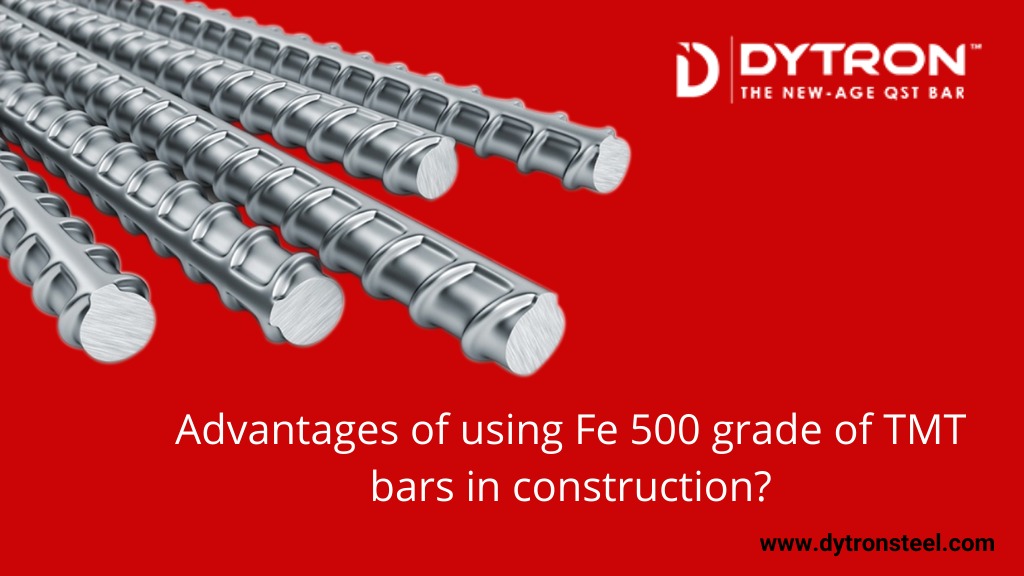
Nowadays some contractors report a tendency among few design engineers that they specify grade Fe-500 or higher steel in residential buildings, citing its high strength. If they design buildings considering the use of Fe 500 steel in construction, it could help reduce the volume of steel used and reduce the column size. Usually, Concrete, a mixture of cement, sand, and aggregate, is considered by far as the most stable of building compounds. But it has negatives also: low tensile strength and ductility. This means that concrete’s ability to stretch and to withstand pressure at an angle without breaking is very less. Here Steel has its role. Steel in the form of bars has great tensile strength and ductility. It can reinforce concrete. Thus the quality of steel has an important role in deciding the quality of concrete. Quest for better material has produced various kinds of steel bars with qualities that make concrete more stable. It started with mild steel Plain bars, evolved through deformed plain bars, and then came too Cold Twisted Steel Bars (TOR steel). Now the market is dominated by various grades of TMT. High-rise buildings call for steel of higher strength, and hence higher grades of TMT steel- Fe 500 and above – are used in such buildings. Fe 500 is produced using the same TMT process that is used to produce Fe 415. The beauty of the TMT process is that it can produce different grades of steel by making slight changes in the process. If the steel is quenched a little more, the outer martensite layer that provides the high strength to the steel rebar becomes thicker at the expense of the soft inner core that endows it with ductility. This is exactly what happens in Fe 500 grade TMT steel. Using Fe500 allows us to saves cost Usually, steel producers suggest to their clients that the use of Fe500 grade steel instead of Fe 415 saves cost. But it is true only, when the entire design is made according to that grade. Indian standards specify that the MS bars have a tensile strength of 250 N/mm2. Practically the civil designs are made by considering the factor of the safety aspect. Nowadays engineers make use of the modern limit state method for details. Normal loads taken into consideration are dead load, live load, earthquake load, wind load, etc., and their combinations. While designing special attention is taken to consider both acting load & material strength. If the engineer underestimates the load, it is unsafe. If the load is overestimated, it is safe but turns uneconomical. Design Engineers takes partial safety factors. Factor 1.5 is taken when loads like dead load, live load, wind load are considered separate. When combinations of loads are taken into consideration, they consider safety factor 1.2. It means that the maximum working load is considered 1.2 times. If designs are altered by rendering the quantity of steel, Fe- 500 grade is the best. Balancing of Tensile strength Vs Ductility Dual-core in Thermomechanical Steel bars contributes to two distinct characteristics of steel bars. The outer tempered Martensite layer gives required tensile strength to the TMT while the inner ferrite –pearlite core give ductility property. In any TMT grade, these should be in equilibrium. If one core exceeds the other, TMT will not have sufficient characteristics. Suppose outer core is more than inner core, TMT bars will have more strength; but compromising on its ductility. Prescribed method of ReBending with Fe- 500 grade Re bending or reverse bending is not advisable for TMT grades, occasions do arise on construction sites where they are unavoidable. It is recommended to preheat Fe 500 grade to a temperature of 100 Degree Centigrade. ie, above softening temperature, before re-bending. This minimizes work hardening & loss of ductility. Dytron Steel’s expertise in TMT bars make them the leaders in the category and are considered Best TMT Bar Manufacturer in West Bengal
You may like
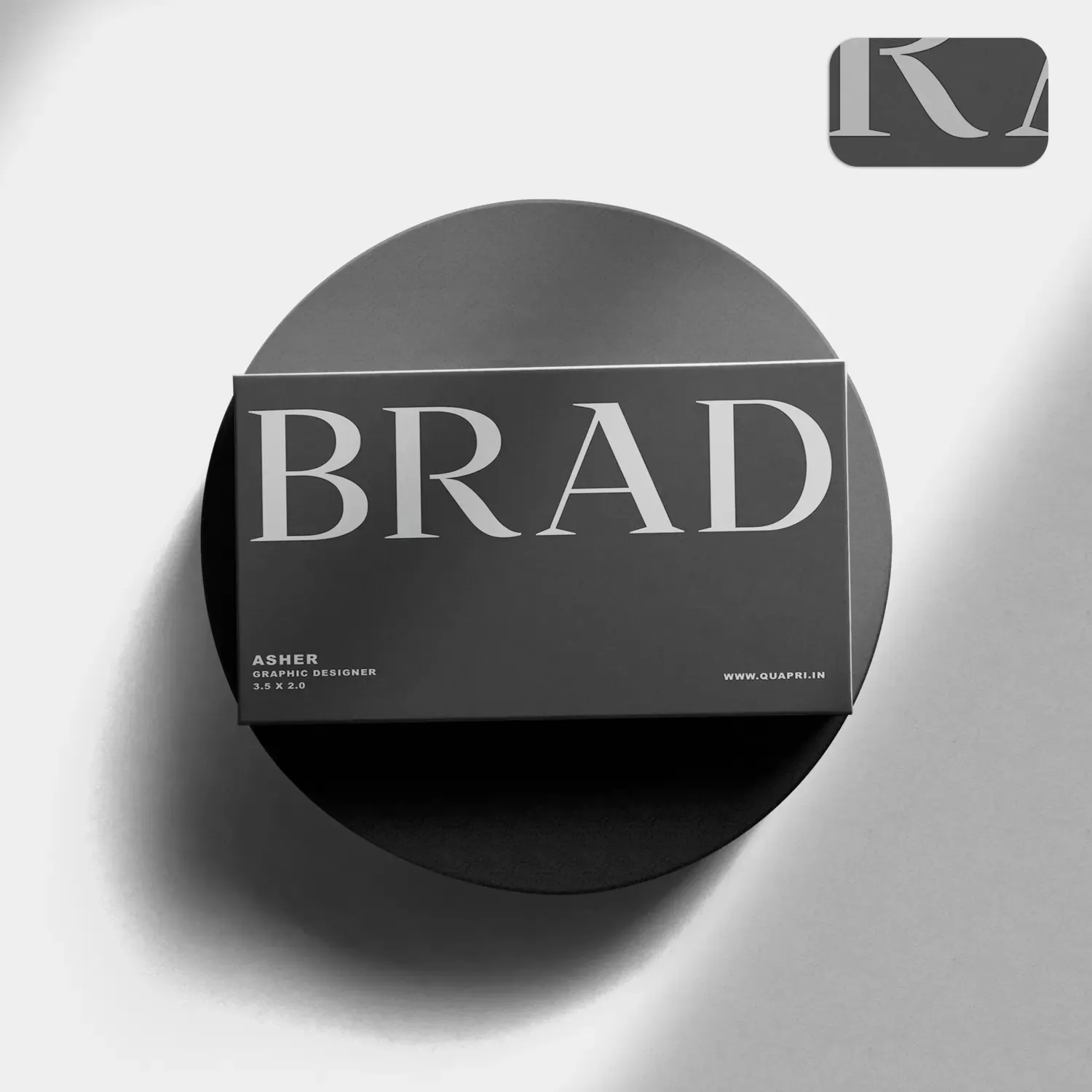
Matte Visiting Cards
#MatteVisitingCards, #MatteFinish, #ElegantBusinessCards, #SmoothTouch, #PremiumQuality, #CustomMatteCards, #ModernDesign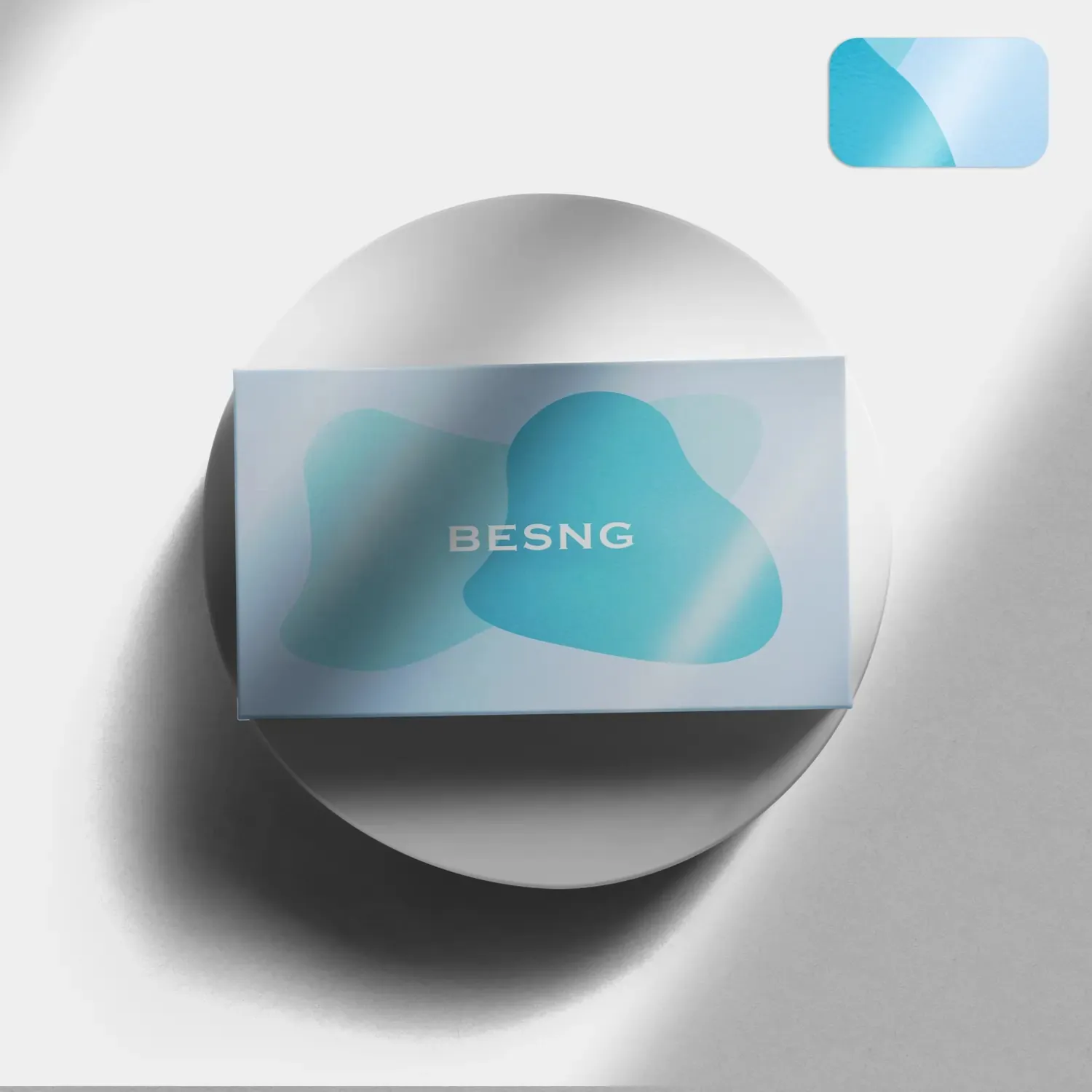
Glossy Business Cards
#GlossyBusinessCards, #HighGlossFinish, #ShinyBusinessCards, #LuxuryVisitingCards, #PremiumPrinting, #ProfessionalDesign, #VibrantColors
Eco-Friendly Business Card
#EcoFriendlyBusinessCards, #SustainableDesign, #RecycledPaperCards, #GreenPrinting, #EcoBranding, #BiodegradableCards, #EnvironmentFriendly