

 Re-mark
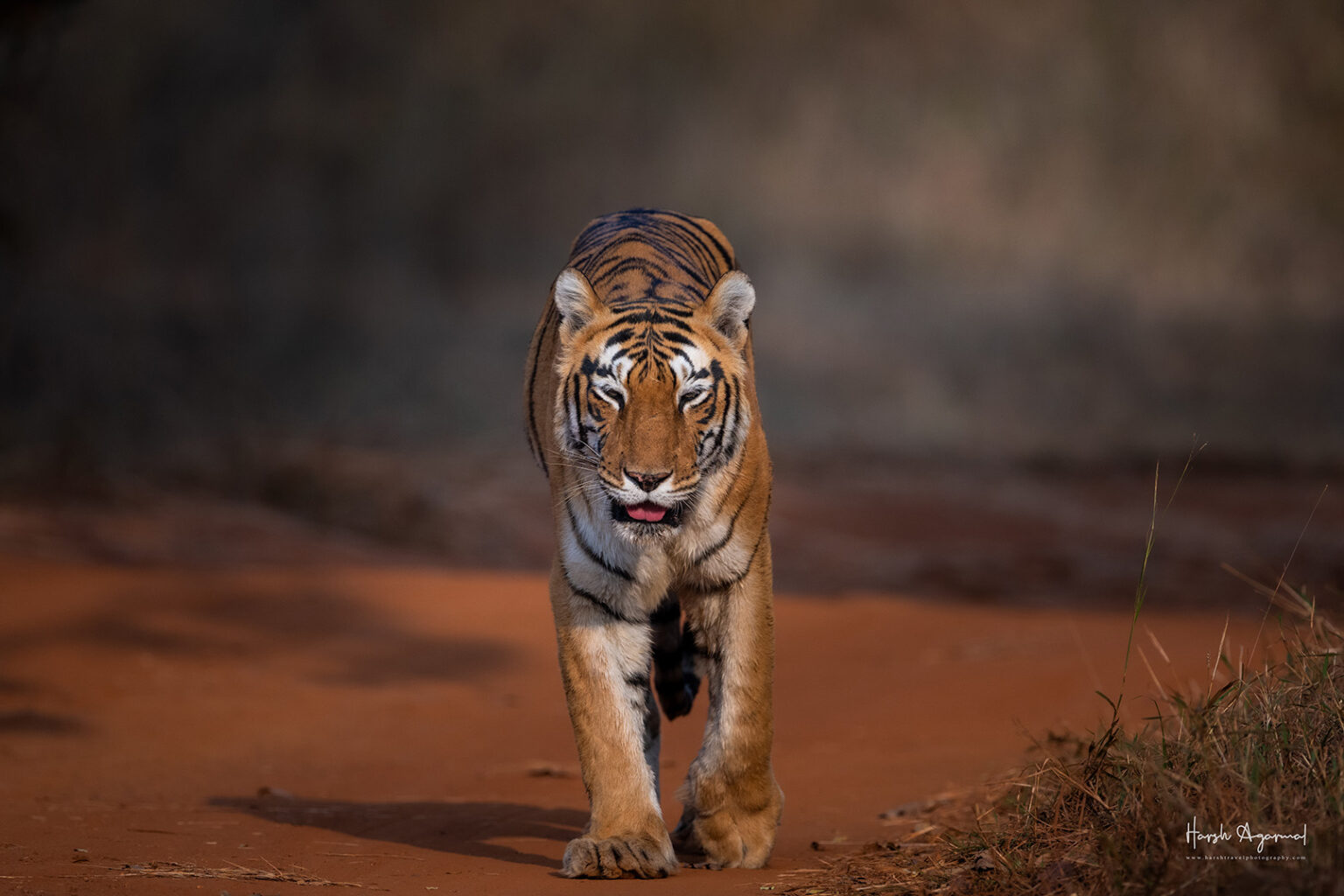
A Tale of Two Jungles: Finding the Wild Heart of Madhya Pradesh There is a specific moment when you leave the sprawling, glass-and-concrete energy of Delhi behind and begin to feel the shift in the air. As you travel toward the central heart of India, the sky seems to widen, and the hum of traffic is replaced by a heavy, expectant silence. This is the gateway to Madhya Pradesh—a land that holds two of the most iconic wildlife landscapes on the planet: Bandhavgarh and Kanha. To journey through these "Two Jungles" is to experience a masterclass in nature’s diversity. It isn't just about ticking animals off a list; it is about learning the "Language of the Woods" and witnessing a world that operates on its own ancient clock. The Rugged Majesty of Bandhavgarh Our story begins in Bandhavgarh, a park that feels raw and visceral. If you were to describe this jungle in one word, it would be "Density." Known for having the highest concentration of Royal Bengal Tigers in India, Bandhavgarh is a place where the king truly reigns. The landscape here is rugged, with rocky hillocks and ancient stone ruins that look like they’ve been reclaimed by the forest. Tracking a predator here is a high-stakes game of visual chess. You aren't just looking for a flash of orange; you are listening for the forest’s warning system. When a langur monkey chatters frantically from the canopy or a spotted deer gives a sharp, staccato alarm call, the adrenaline is real. When the tiger finally emerges—perhaps patrolling a dusty trail or lounging near a bamboo thicket—the sheer power of the animal is enough to make the world stand still. The Cinematic Soul of Kanha If Bandhavgarh is a thriller, Kanha is a sweeping epic. Often cited as the inspiration for Rudyard Kipling’s The Jungle Book, Kanha offers a completely different visual experience. The forest opens up into vast, golden meadows known as "maidans." In the early morning mist, these meadows feel like a scene from another era. This is the only home of the Barasingha (Hard-ground Swamp Deer). Watching these elegant creatures stare at you from a distance, their many-tined antlers catching the first light, is one of the most serene sights in the wild. But don’t let the beauty fool you; the predators are here, too. The tigers of Kanha are known for their massive size and the dramatic way they move across the open grasslands, making it a dream for anyone behind a camera lens. Beyond the Stripes: The Jungle's Supporting Cast While the tiger is the undisputed star, a true wildlife tour is about the entire ecosystem. In the quiet corners of these parks, the smaller stories are just as fascinating. You might find a Sloth Bear dozing off in the afternoon heat or a massive Indian Python creeping through the undergrowth. Near the water bodies, Marsh Crocodiles bask in the sunshine, looking like prehistoric statues. Each sighting, from the smallest bird to the largest bison, adds a layer to the story of the jungle. The Human Connection: Seeing vs. Observing What truly changes the experience is having an expert eye by your side. A guide or a photographer like Harsh Agarwal doesn’t just show you where to look; they teach you how to see. They understand the behavior of the animals—why a tiger chooses a specific path or how to predict where a sloth bear might forage. This journey also brings you close to the village life of Madhya Pradesh. Stepping out of the forest and into the local communities offers a "Full Circle" perspective. You see how people have lived in harmony with these forests for generations, respecting the boundaries of the wild. The Lasting Impression By the time you return to the urban pulse of Delhi, the "Tales of Two Jungles" have become a part of you. You return with more than just a memory card full of photos; you return with a soul that has been quieted by the silence of the meadows and thrilled by the roar of the wild. You leave the modern world for a few days to walk on the rough trails of the heartland, and you return realizing that the most beautiful things in life aren't built—they are discovered.
You may like

Trailhead Adventure Off-Road - THE destination for Snowmobile & ATV Off-Road Rentals in Northern Wisconsin! Located…
Polaris Rentals, Self Guided Tours, Adventure Rentals, Recreational Rentals, Powersports Rentals, Snowmobile Rentals, Snowmobile Tours
Rajasthan Tour | India Rajasthan Tour | Rajasthan Tour Packages
travel, tours, Rajasthan Tour Package
Planning Group Travel in Dubai? Here's Why Smart Transportation Matters More Than You Think | Kavyatourtravels.com
bus rental dubai