

 Re-mark
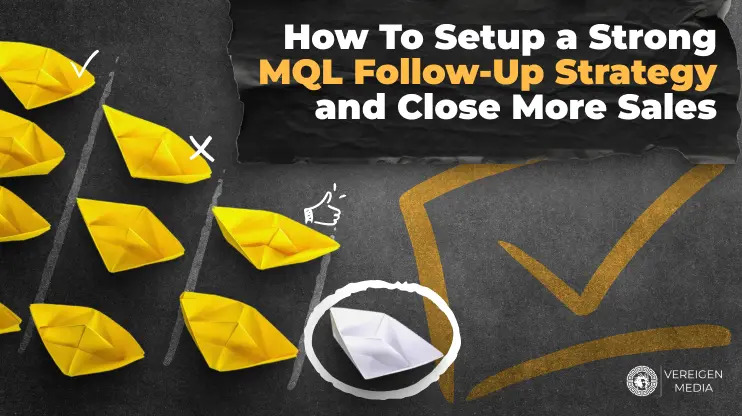
Do you even have an idea? That 31% of your MQLs through website visits have a potential to convert into SQLs. To get on any lead generation process, MQLs is the first step of the ladder. The only challenges are to get effective follow-up and measure the potential, so you don’t waste time and resources on comparatively low potential prospects. This allows us to say that a strong follow-up strategy is the most effective tool one can have on their side. Here, further we will discuss the main pillars of it. MQLs and Their Importance In order to dive into the follow-up plan, it is necessary that one understands what MQLs are and why they matter. MQLs refer to leads who have shown some level of interest in your product or service by engaging with your marketing. Compared to other types of leads, such leads bear a higher probability of converting because they have already interacted with your brand. MQLs usually do things like: Download gated content Fill out forms on your website Attend webinars or events Engage email campaigns These activities are an indication that the lead wants more information about your products and services and may be willing to take further steps. Along with it, here’s an insight for you: Measure of success for B2B MQL to SQL (Source: Outfunnel) Step 1: Lead Scoring and Segmentation The first step towards creating a strong MQL follow-up strategy is to build a lead scoring system. Through this approach, you can classify prospects according to their chances of conversion for better prioritization. Different actions as well as features which show how much interested a lead might be and if he will fit into your product/service can be assigned certain scores such as: E-book download- 10 points Webinar attendance-20 points Job title matches target audience-15 points Company size matches target audience-10 points One add-on to your note, that Lead scoring increases conversion rates by 77%. Step 2: Personalized and Timely Communication For an effective MQL follow-up strategy there must be personalization. Generic messages that try to address everybody do not appeal to leads on the whole. Instead, customize your content to match with the individual interests and activities of each lead. The information you gathered from lead scoring and segmentation can help create personalized messages that resonate with each particular lead. Also, notice the timing factor too. It is revealed by research that cases of qualifying a lead tend to be higher when the follow up is done within a shorter time frame after his first interaction with it. Try reaching out to MQLs within 24-48 hours of their engagement period so as not to miss out on any opportunity. This quick response signifies your attentiveness as well as increases the chances of maintaining this prospective customer’s interest in your product/service/offering. Step 3: Multi-Channel Follow-Up Approach There are different channels through which leads can interact with your brand; hence, it is necessary that your follow-up strategy should be a multi-channel one. Email: Come up with custom made follow up emails that address the specific interests and actions of the lead; moreover, insert some high-quality content such as case studies, whitepapers or product demos for added value. Phone Calls: A timely phone call can make a big difference. Base your conversation on what you know from your lead scoring and addressing the prospects’ points of pain while drawing upon their interests. Social media: Engage with them on platforms like LinkedIn by sharing relevant content, commenting on their posts and sending personalized messages. Direct Mail: When targeting high-value leads, consider personalizing direct mail such as handwritten notes or customized gifts that leave a lasting memory.
You may like
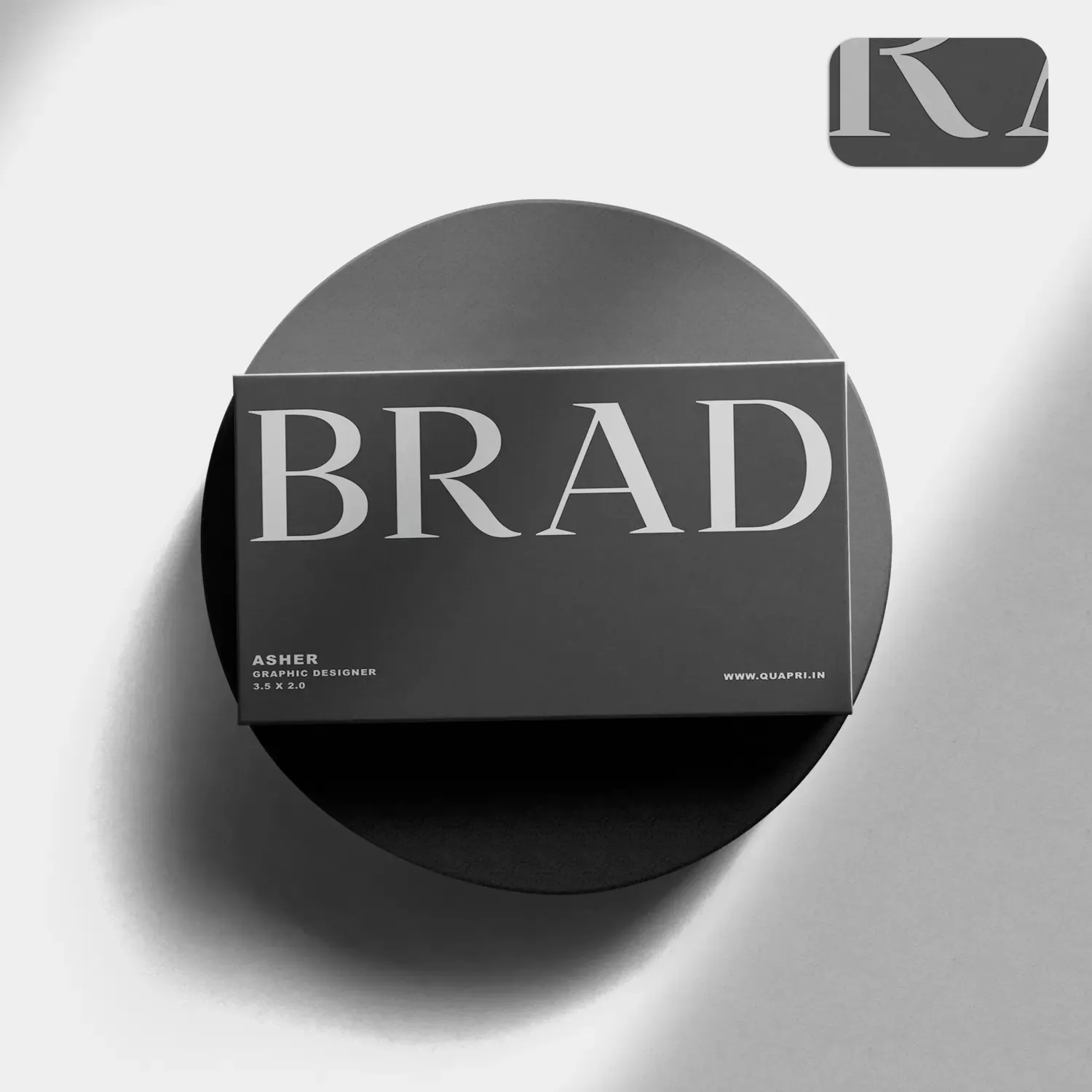
Matte Visiting Cards
#MatteVisitingCards, #MatteFinish, #ElegantBusinessCards, #SmoothTouch, #PremiumQuality, #CustomMatteCards, #ModernDesign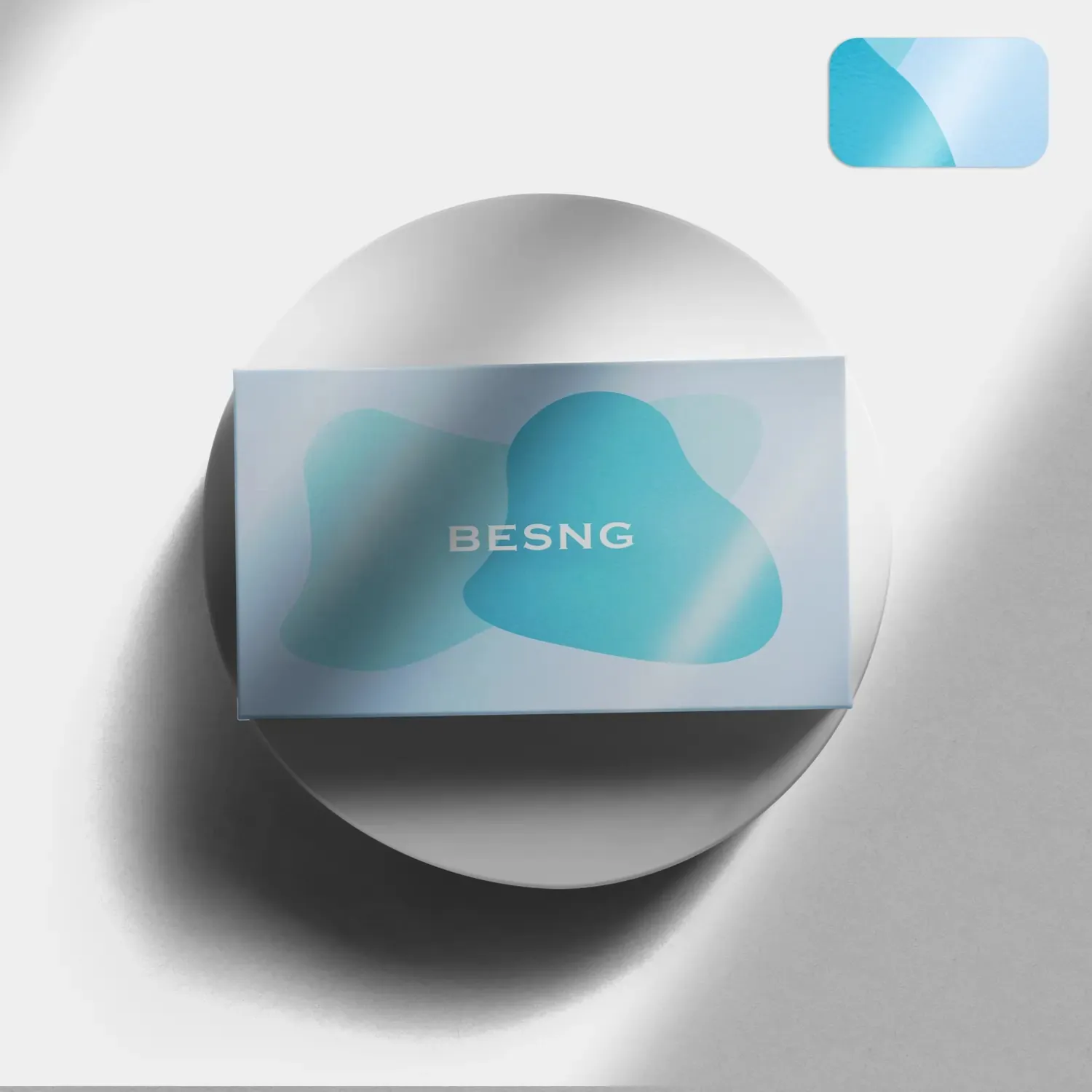
Glossy Business Cards
#GlossyBusinessCards, #HighGlossFinish, #ShinyBusinessCards, #LuxuryVisitingCards, #PremiumPrinting, #ProfessionalDesign, #VibrantColors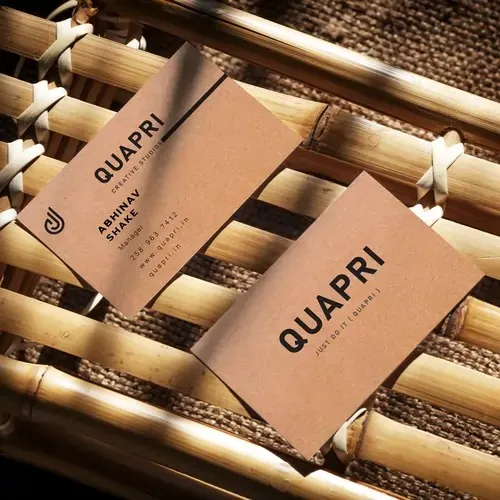
Eco-Friendly Business Card
#EcoFriendlyBusinessCards, #SustainableDesign, #RecycledPaperCards, #GreenPrinting, #EcoBranding, #BiodegradableCards, #EnvironmentFriendly