
 Re-mark
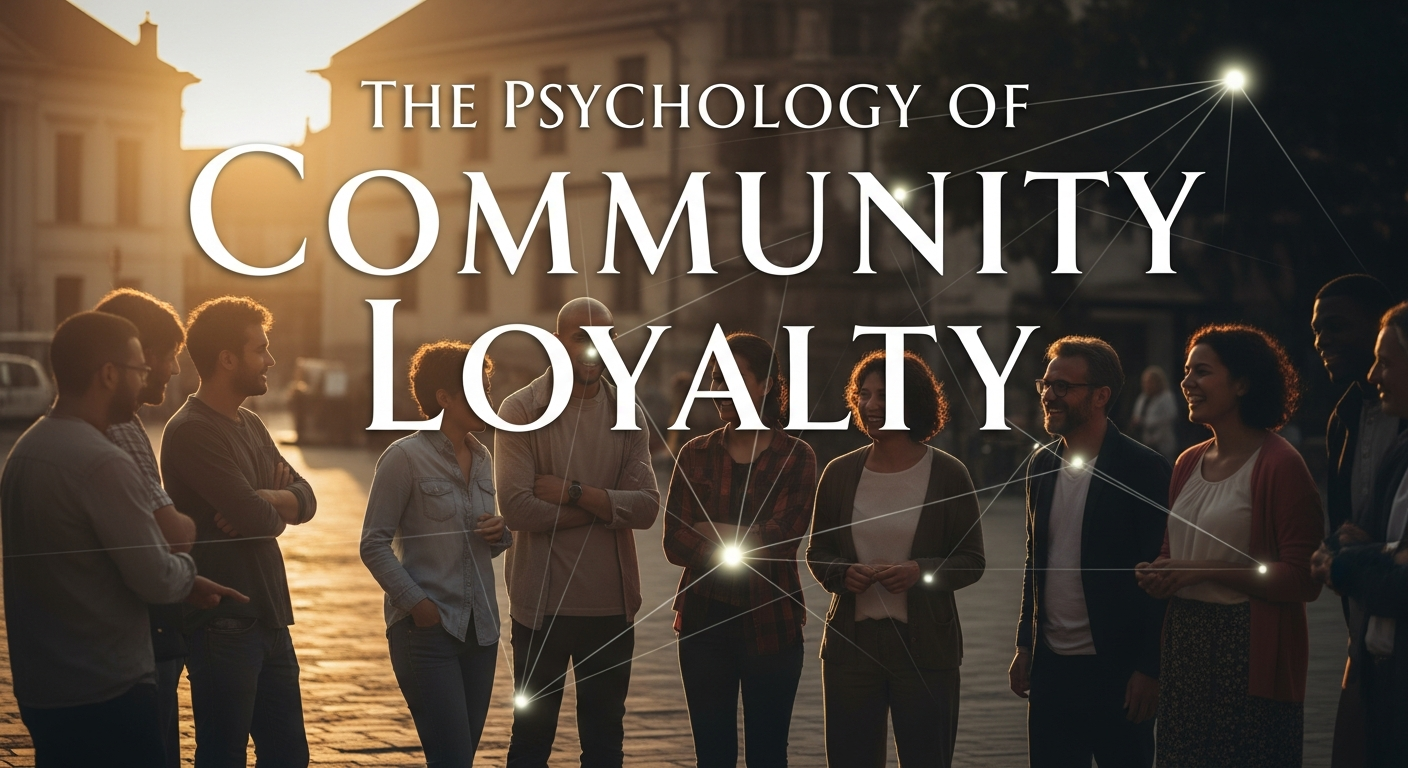
The Psychology of Community Loyalty: Why Members Stay Engaged In the age of social media, online forums, and niche interest groups, community loyalty has become a cornerstone of sustained engagement. But what makes members stick around? Why do some communities thrive while others wither, despite offering similar content or services? Understanding the psychology behind community loyalty is essential for creators, marketers, and leaders who aim to build lasting engagement. The Sense of Belonging At the heart of community loyalty lies the human need to belong. Psychologists describe belonging as a fundamental psychological necessity—a feeling that one is accepted, valued, and connected to others. Communities that foster genuine inclusion and encourage active participation often cultivate stronger loyalty. When members feel they are part of a “tribe” where their opinions matter, their commitment deepens. For example, online hobbyist forums or professional networks often succeed not because of the content itself, but because members form friendships, exchange advice, and feel recognized for their contributions. Platforms like Reddit or Discord thrive on this principle: the sense of belonging is a stronger motivator than content consumption alone. Social Identity and Group Affiliation Closely linked to belonging is social identity theory, which suggests that people define themselves in part through their group memberships. A strong community provides members with a clear identity—a label that signifies shared values, interests, and norms. When someone identifies as a “fitness enthusiast” in a particular forum or a “tech innovator” in a startup network, they internalize the community’s values. This identification creates loyalty because leaving the community feels like losing a part of oneself. Brands and communities that emphasize shared values and norms tend to see higher retention rates. Think about Apple enthusiasts or LEGO fan clubs: their connection is emotional, not transactional. Reciprocity and Contribution Humans are wired to respond to social reciprocity. In community contexts, members are more likely to stay engaged when they feel their contributions are valued and when they can contribute meaningfully. Communities that allow members to help each other, share expertise, or provide feedback build a loop of mutual benefit. For example, Stack Overflow encourages users to answer questions, gain reputation points, and receive recognition from peers. The more members contribute, the more invested they become. This sense of agency and recognition is a key psychological driver of loyalty. Gamification and Reward Systems Gamification taps into intrinsic and extrinsic motivation by making engagement fun and rewarding. Badges, levels, leaderboards, and recognition systems leverage psychological triggers such as achievement, status, and competition. While extrinsic rewards like badges or perks can initially draw participation, intrinsic motivators—like mastery, connection, and purpose—are more effective for long-term loyalty. Communities that balance both tend to retain members longer. For instance, fitness apps that include social challenges, personal progress tracking, and community recognition create a sticky environment that keeps users coming back. Emotional Investment and Storytelling Communities that tell a compelling story or create shared experiences foster emotional bonds. When members feel emotionally invested, leaving the group can feel like losing a part of their life. Emotional engagement goes beyond superficial content—it’s about shared struggles, victories, and values. Consider charity organizations or activist networks. Members engage not just because of content or activities, but because the community reflects their ideals and amplifies their personal narrative. Similarly, gaming communities that share lore, achievements, and collaborative experiences strengthen loyalty through emotional resonance. Trust and Safety No community thrives without trust. Members need to feel safe to express opinions, ask questions, and participate without fear of ridicule or harassment. Communities with clear rules, active moderation, and respectful interactions foster an environment where loyalty can flourish. Trust also extends to the credibility of content and leadership. Community managers who are transparent, responsive, and authentic inspire confidence. Once trust is broken—through spam, misinformation, or toxic behavior—members are quick to disengage. Psychological safety is as vital as emotional connection. Shared Goals and Purpose Humans are goal-oriented creatures. Communities that articulate a clear purpose or shared mission tend to sustain loyalty better than those focused solely on casual interaction. Purpose-driven communities give members a reason to contribute beyond self-interest. Nonprofit organizations, professional networks, and open-source projects demonstrate this principle. When members understand that their engagement helps a larger mission, the psychological reward of contributing to a meaningful goal reinforces commitment. Conclusion Community loyalty is not accidental—it is carefully cultivated through a combination of belonging, identity, reciprocity, emotional investment, trust, and purpose. Understanding these psychological drivers allows community managers, brand leaders, and creators to design environments where members want to stay, contribute, and thrive. By prioritizing human connection over metrics, fostering inclusion, and offering meaningful ways to engage, communities can transform casual participants into passionate, loyal members. After all, loyalty is less about control and more about creating a space where people feel understood, valued, and connected. Communities that master this psychology don’t just survive—they flourish, creating networks of engagement that are self-sustaining and profoundly impactful. Read more: https://www.buildbonding.com/the-psychology-of-community-loyalty/
You may like
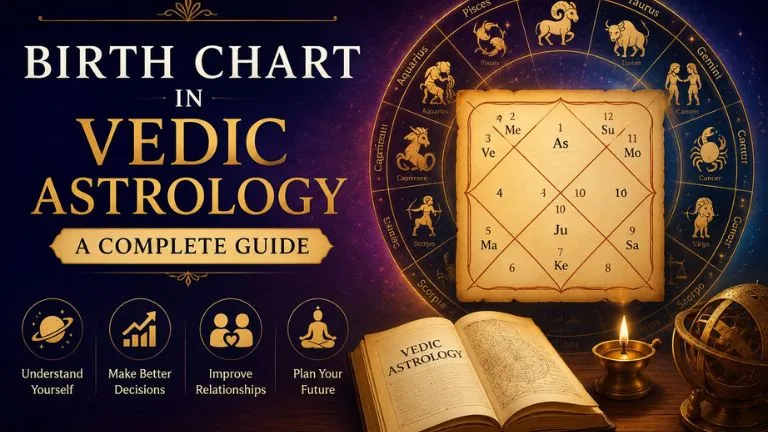
Birth Chart in Vedic Astrology: A Complete Guide
Birth Chart in Vedic Astrology, Birth Chart, Birth Chart Astrology, birth charts, birth chart analysis
Why Most Business Budgets Fail: Common Budgeting Mistakes and Smarter Financial Planning Strategies
Business Budgets, Business, Budgets